
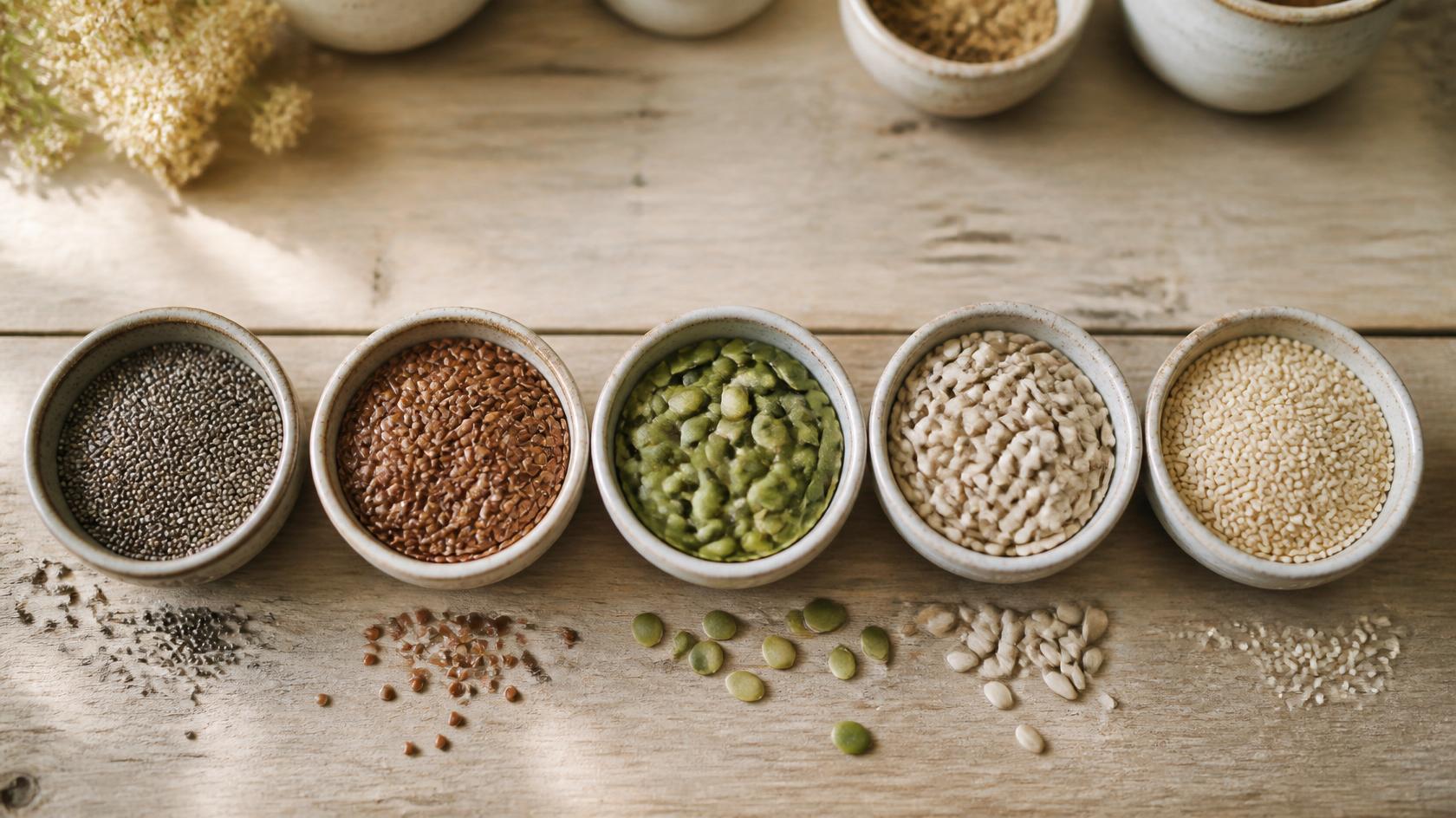
If you’ve ever sprinkled a few chia seeds on your yogurt without thinking twice, you’ve already tapped into one of nature’s most underrated food groups. The health benefits of seeds go far beyond garnish — these tiny powerhouses are, quite literally, the starting material for an entire plant, which is exactly why they’re so nutrient-dense. Fiber, healthy fats, protein, and a surprising range of minerals are all packed into something you can hold a spoonful of.
No extreme diets or “miracle foods” required here — just a handful of small, sustainable additions that genuinely make a difference. Healthy seeds to eat daily are one of the easiest wins you can add to your plate, and once you know what each one actually does, they stop being an afterthought and start being a deliberate part of how you eat. Below, we break down the health benefits of chia, flax, and pumpkin seeds, along with sunflower and sesame, and show you exactly how to eat seeds for maximum nutrition.
Benefits of Chia Seeds — And How to Eat Them
Chia seeds were a staple food for ancient civilizations, prized for the sustained energy they provided. Today, the benefits of chia seeds make them one of the most talked-about seeds for health, and for good reason. Just one ounce of chia contains close to 10 grams of fiber, along with a healthy dose of omega-3 fatty acids (ALA) and plant-based protein.
Key benefits of chia seeds:
- Supports healthy digestion and gut bacteria
- Helps regulate blood sugar by slowing digestion
- Provides long-lasting energy and hydration (chia can absorb up to 10 times its weight in water)
How to eat them: Soak 1–2 tablespoons in water or milk until they form a gel, then add to smoothies, oatmeal, or make a simple chia pudding. Avoid eating them completely dry in large amounts, as they can be harder to digest that way.
Benefits of Flax Seeds — And How to Eat Them
Flax seeds are one of the richest natural sources of lignans — plant compounds known for supporting hormonal balance. The benefits of flax seeds also include a strong fiber and omega-3 (ALA) content, making them a favourite in any weight-loss or heart-healthy diet plan.
Key benefits of flax seeds:
- Supports hormonal balance, especially useful for women
- May help lower cholesterol and support heart health
- Aids digestion and regular bowel movements
How to eat them: Always use ground flax seed, not whole — whole flax often passes through the body without being absorbed. Grind fresh at home and stir into smoothies, oatmeal, baked goods, or soups.
Benefits of Pumpkin Seeds — And How to Eat Them
Pumpkin seeds are a satisfying, nutrient-dense snack. The benefits of pumpkin seeds come largely from their zinc, magnesium, and tryptophan content — an amino acid your body converts into serotonin and melatonin.
Key benefits of pumpkin seeds:
- Supports immune function and wound healing (zinc)
- May improve sleep quality (tryptophan)
- Supports heart and bone health (magnesium)
How to eat them: A small handful (about 1 tablespoon) roasted and lightly salted makes a satisfying snack. They’re calorie-dense, so portion control matters — add them to salads, soups, or a homemade trail mix rather than eating them by the handful.
Benefits of Sunflower Seeds — And How to Eat Them
Sunflower seeds are one of the best plant sources of vitamin E, an antioxidant that protects skin cells and supports overall immunity. The benefits of sunflower seeds also include selenium, magnesium, and healthy unsaturated fats.
Key benefits of sunflower seeds:
- Supports skin health and protects against oxidative stress
- Helps maintain healthy cholesterol levels
- Supports heart health through magnesium and healthy fats
How to eat them: Toast them lightly and sprinkle over salads, or blend into a nut-free spread. A tablespoon a day is a simple way to boost your vitamin E and selenium intake — both nutrients many of us don’t get enough of.
Benefits of Sesame Seeds — And How to Eat Them
Sesame seeds are one of the oldest cultivated seeds in the world. The benefits of sesame seeds come from their calcium, magnesium, and sesamin content — a lignan with strong antioxidant properties.
Key benefits of sesame seeds:
- Supports bone health and density
- Provides antioxidant and anti-inflammatory support
- May help lower cholesterol levels
How to eat them: Sprinkle over stir-fries, salads, or roasted vegetables, or use tahini (sesame paste) in dressings and dips. A tablespoon a day is enough to enjoy the benefits without overdoing the calories.
Seeds Good for Hormonal Balance and Bone Health
One often-overlooked benefit of seeds is their role in hormonal and skeletal health. Flax and sesame seeds are both rich in lignans, plant compounds shown to support cardiovascular and hormone-related health, while pumpkin and sunflower seeds provide zinc and selenium — minerals that play a supporting role in hormone production. Sesame and pumpkin seeds also stand out as seeds good for hormonal balance and bone health thanks to their calcium and magnesium content and a peer-reviewed review of edible seeds. Some people practice “seed cycling,” rotating specific seeds through different phases of the menstrual cycle. While there isn’t strong clinical evidence specifically proving seed cycling works, simply including a variety of these seeds regularly is a safe, nutrient-dense habit either way.
Healthiest Seeds for Heart Health and Digestion — At a Glance
If you’re looking for the healthiest seeds for heart health and digestion specifically, this quick comparison makes it easy to choose based on your goal:
| Seed | Standout Nutrient | Best For |
| Chia | Omega-3 + fiber | Blood sugar, digestion |
| Flax | Lignans | Hormonal balance, cholesterol |
| Pumpkin | Zinc | Immunity, sleep |
| Sunflower | Vitamin E, selenium | Skin, immunity |
| Sesame | Sesamin, calcium | Bone health |
Best Seeds to Add to Your Daily Diet
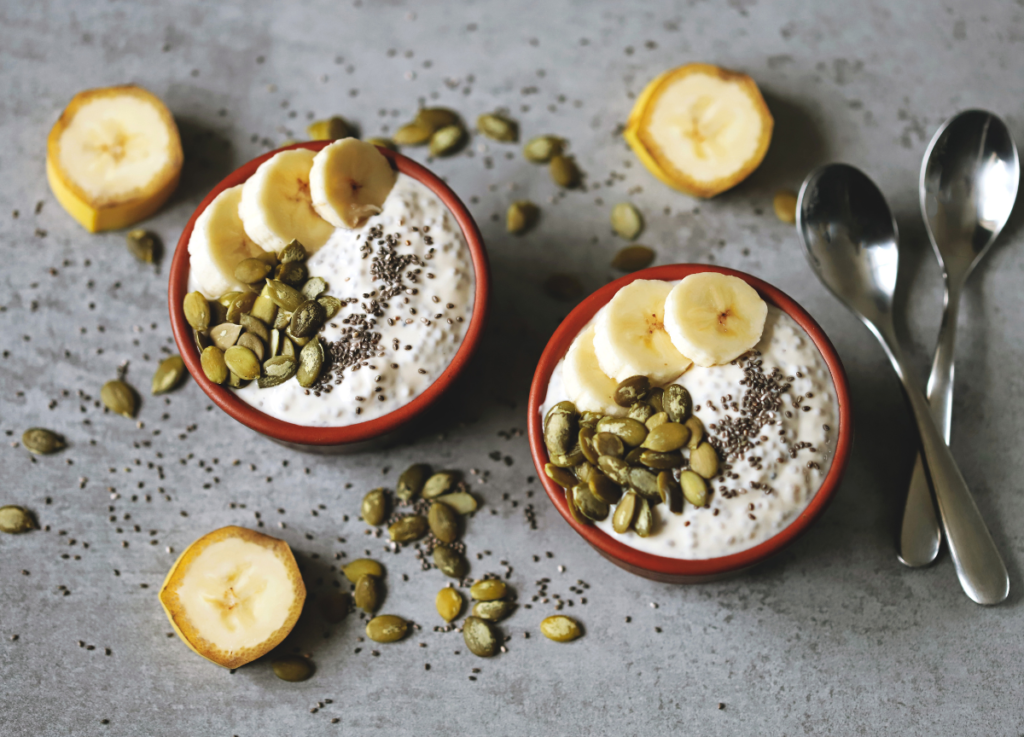
The easiest way to build a daily seed mix for health benefits is to keep it simple:
- Add a spoon of mixed seeds to your morning yogurt or oatmeal
- Sprinkle over salads or soups
- Blend into smoothies or homemade energy balls
- Try seed-based recipes — check out our recipes page for guilt-free ideas using seeds and other whole foods
You don’t need to eat all five seeds every day. Rotating through them across the week is one of the best seeds to add to your daily diet strategies — sustainable, and an easy way to get a wider range of nutrients without overthinking it. Many people also turn to seeds for weight loss support, since their fiber and healthy fats help with fullness and steadier blood sugar.
Who Should Be Cautious With Seeds?
Seeds are generally safe for most people, but a few things to keep in mind:
- Allergies: Sesame is a recognized allergen — introduce new seeds gradually if you haven’t eaten them before.
- Portion control: Seeds are calorie-dense. A tablespoon or two per seed per day is plenty — more isn’t necessarily better.
- Digestive sensitivity: Whole flax seeds can be hard to digest and pass through the body unabsorbed — always use ground flax.
- Medical conditions: If you’re on blood-thinning medication or have a hormone-sensitive condition, talk to your doctor before significantly increasing lignan-rich seeds like flax.
Final Thoughts
At the end of the day, seeds aren’t a trend or a superfood gimmick — they’re one of the simplest, most practical additions you can make to your everyday meals. Each of these five brings something different to the table, whether it’s chia’s steady energy, flax’s hormonal support, or sesame’s quiet contribution to strong bones. You don’t need a strict routine or perfect daily ratio to benefit from them; even sprinkling a spoonful here and there adds up over time. The real win is consistency, not perfection. Start with whichever seed is already sitting in your kitchen, and let the rest follow naturally.
Want a personalized plan that includes seeds and other whole foods tailored to your goals? Book a consultation today.