
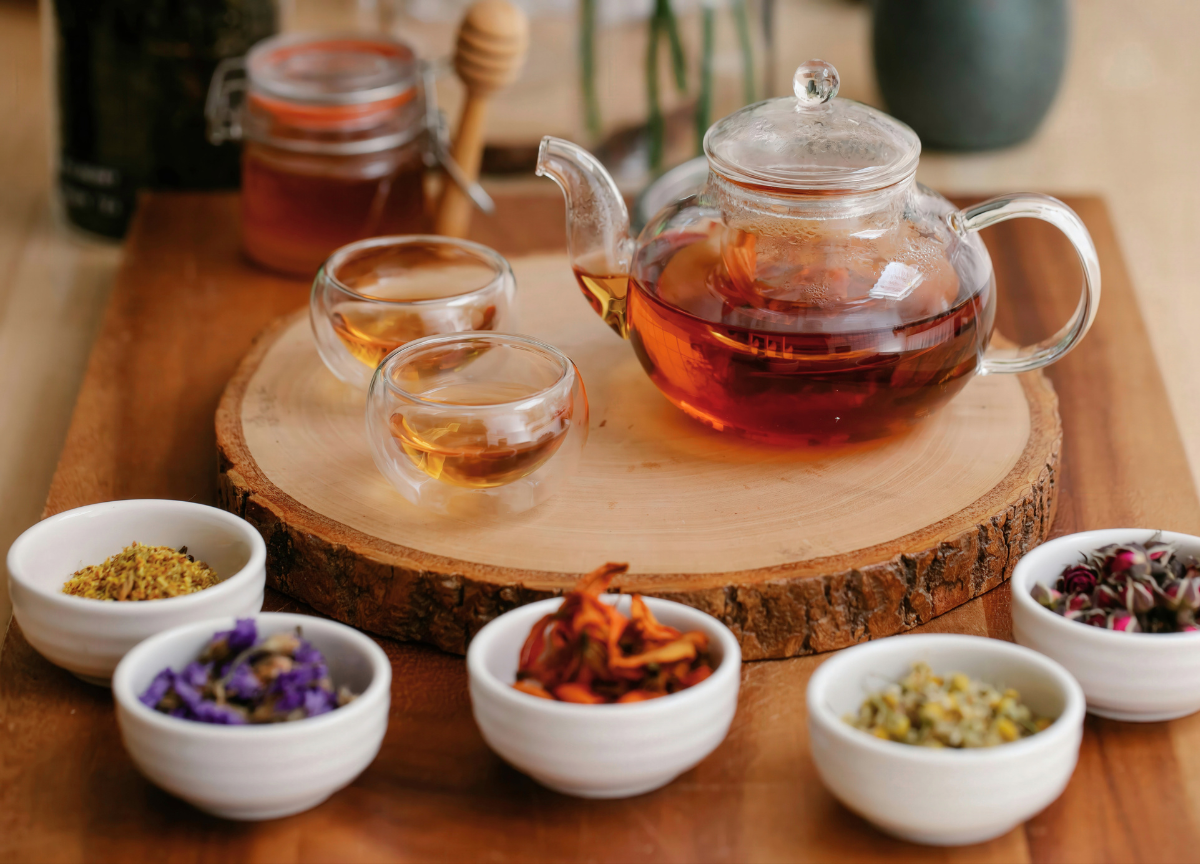
Do you also drink chai two or three times a day, but wonder if there’s a healthier version that could actually help with weight loss too? You’re not alone. Many of us grew up with tea as part of daily life — the only question is whether the right kind of tea can do more than just wake us up in the morning.
The good news is: yes, it can. Herbal tea for weight loss isn’t a magic trick, and no cup of tea alone will melt fat away overnight. But the right teas, taken the right way, can support your metabolism, ease bloating, and help you feel fuller for longer — small things that add up over time. Let’s go through 7 herbal teas for weight loss that are backed by real research, easy to find, and simple to make at home.
1. Green Tea
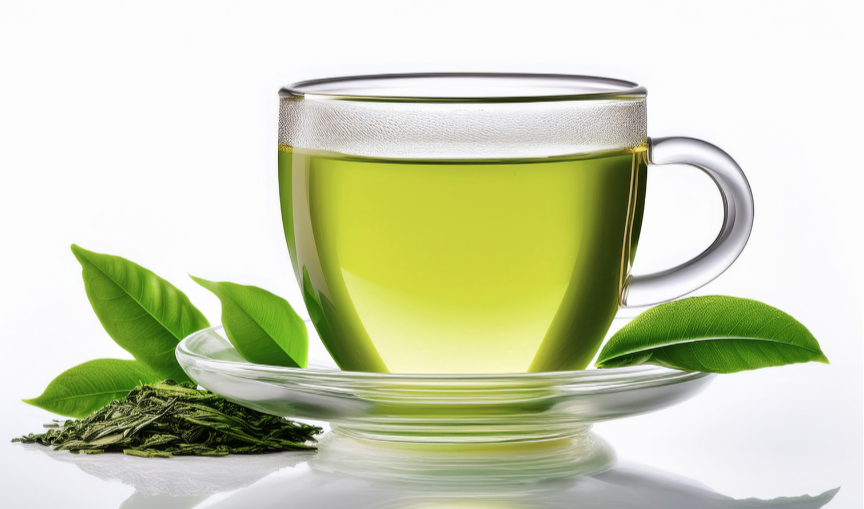
Green tea for weight loss is probably the most well-known option, and for good reason. It’s rich in a compound called EGCG, which helps the body burn fat a little faster and supports a healthy metabolism.
How it helps: Studies show green tea works best for weight loss when it’s combined with a small amount of caffeine — so a plain cup, taken regularly, is more useful than expecting instant results from one cup.
How to drink it: Have one cup after a meal, or in the morning instead of your regular chai. Avoid drinking it very late at night if you’re sensitive to caffeine.
2. Ginger Tea
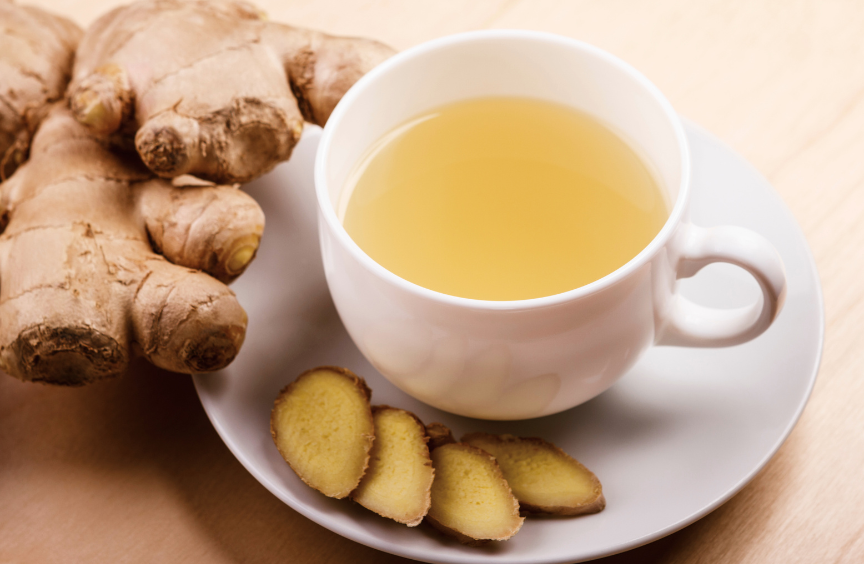
Ginger tea is probably already in your kitchen. It’s known for helping digestion, easing bloating, and gently boosting metabolism.
How it helps: Ginger’s natural compounds are anti-inflammatory and can help your body use energy more efficiently, which supports gradual, steady weight loss.
How to drink it: Boil a few slices of fresh ginger in water for 5–10 minutes. Drink it warm after meals to help with digestion.
3. Fenugreek (Methi) Seed Tea
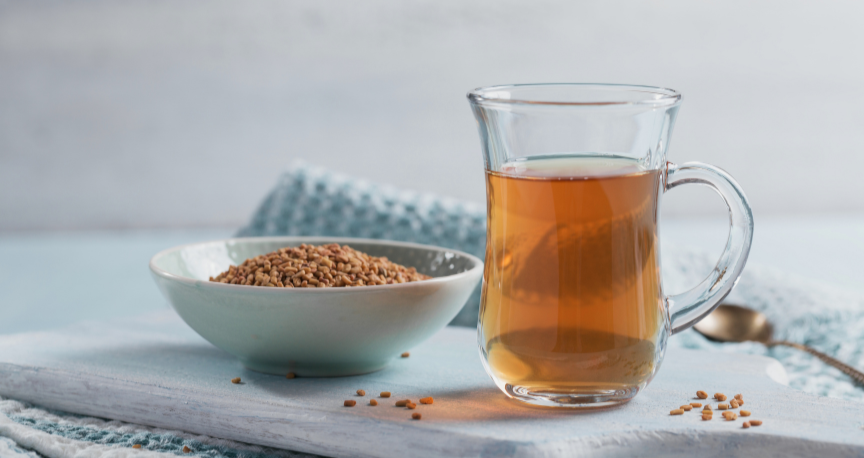
Fenugreek, or methi, seeds are a home remedy many of our mothers and grandmothers already swear by — and there’s real reasoning behind it.
How it helps: Fenugreek seeds are known to reduce fat storage in the body and help manage blood sugar levels, which is especially useful if you’re also watching your sugar intake.
How to drink it: Soak a teaspoon of methi seeds in water overnight. Boil the water the next morning and drink it on an empty stomach for best results.
4. Oolong Tea
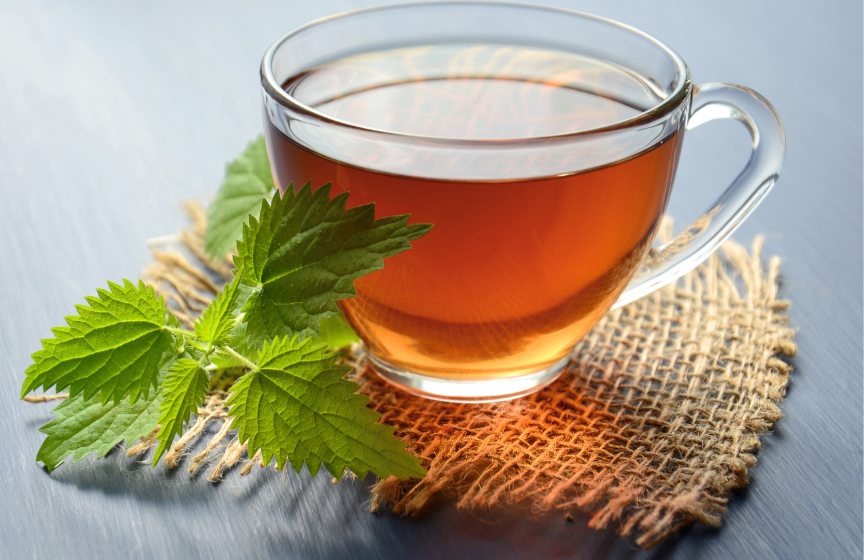
Oolong tea sits between green tea and black tea — not too light, not too strong. It’s less common here, but easy to find in most supermarkets now.
How it helps: Oolong contains a mix of compounds that may help the body burn fat, even overnight while you sleep. It may also help with healthier blood sugar levels.
How to drink it: One cup a day, ideally after a meal, is enough. No need to drink more than this expecting faster results — herbal tea works best with patience, not quantity.
5. Black Tea
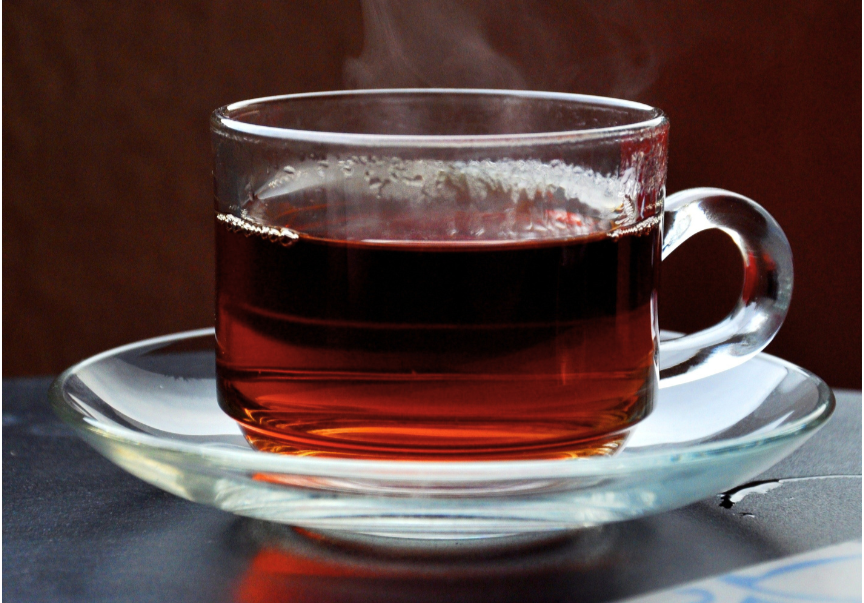
If you already drink desi chai daily, black tea is the closest, most familiar option on this list — just without the milk and sugar.
How it helps: Black tea goes through more processing than green tea, which changes its natural compounds in a way that may help reduce fat storage and support metabolism.
How to drink it: Have it plain, without milk or sugar, once or twice a day. If you’re used to sweet chai, start by cutting sugar gradually rather than all at once — it’s easier to stick with.
6. Lemongrass Tea
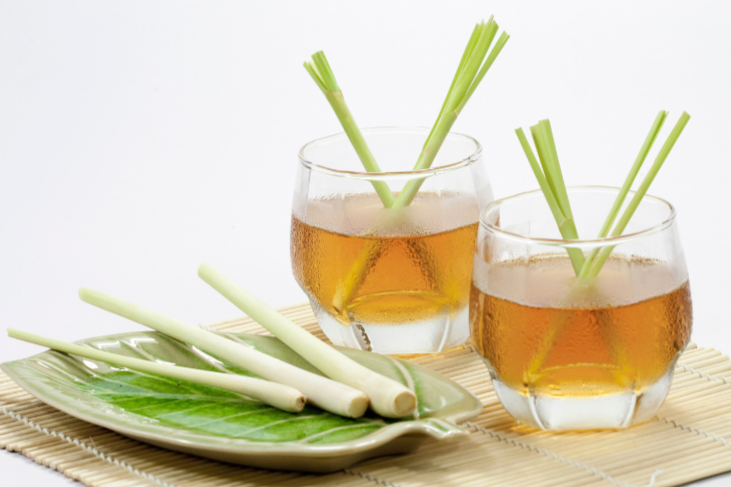
Lemongrass tea has a refreshing, citrusy taste and is often used for digestion and gentle detox support.
How it helps: It may help reduce bloating and support a calmer digestive system, which makes it a nice, light option, especially in the evening.
How to drink it: Boil fresh or dried lemongrass in water for a few minutes and drink it warm. It pairs well with a slice of ginger too.
7. Hibiscus Tea
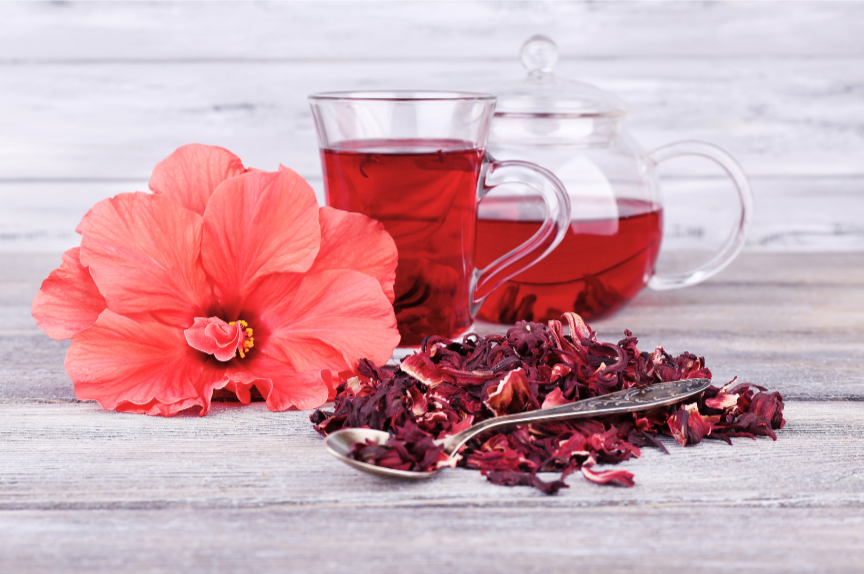
Hibiscus tea, made from dried hibiscus flowers, has a tart, slightly sour taste — similar to a fruity infusion — and a striking deep red color.
How it helps: It contains plant compounds that may help slow down how quickly your body absorbs sugar and starch from food, which can be helpful alongside a balanced diet.
How to drink it: Steep dried hibiscus in hot water for 5 minutes. It can be enjoyed hot or chilled, and needs no added sugar since it already has a naturally tangy taste.
Best Time to Drink Herbal Tea for Weight Loss
There’s no single “perfect” time that works for everyone, but here are some simple, practical guidelines:
- Morning: Ginger tea or fenugreek tea on an empty stomach can help kickstart digestion for the day
- After meals: Green tea, oolong tea, or black tea can support digestion and metabolism
- Evening: Lemongrass or hibiscus tea are gentle, calming options if you want something warm before bed
The key is consistency, not perfection. One cup a day, taken regularly for a few weeks, will do far more than switching teas every other day.
How to Drink Herbal Tea for Weight Loss (Without Overdoing It)
- Stick to 1–2 cups a day per tea — more isn’t automatically better, and too much caffeine can affect your sleep
- Avoid adding sugar or condensed milk — this cancels out most of the benefit
- Pair your tea with a balanced diet and normal daily movement; tea supports your efforts, it doesn’t replace them
- Give it time — most of these benefits build up over weeks, not days
Who Should Be Cautious?
Herbal tea is generally safe, but a few things are worth keeping in mind:
- Pregnancy: Some herbal teas, including hibiscus, aren’t recommended during pregnancy — check with your doctor first
- Caffeine sensitivity: Green, black, and oolong tea all contain some caffeine — avoid drinking them too late in the day if you have trouble sleeping
- Medications: Green tea may interact with certain medicines, such as blood thinners — talk to your doctor if you’re on any regular medication
- Existing health conditions: If you have diabetes or any other condition, check with your doctor before making tea a daily habit, especially fenugreek tea, which can affect blood sugar
Final Thoughts
None of these teas are a shortcut, and none of them work as a “magic fix” on their own. What they can do is quietly support the good habits you’re already building — a little help with digestion here, a little help with metabolism there. Pick one or two that fit naturally into your day, whether that’s swapping your evening chai for lemongrass or starting your morning with methi water instead of sugar-loaded tea. Small, steady changes like these are what actually last — no extreme diets required.