

You know that moment when you’re absolutely parched on a hot day, and you reach for the coldest water bottle in your fridge? That first sip feels amazing, right?
But here’s the thing your body might not appreciate as much as your taste buds do, that ice-cold refreshment could be working against you in ways you never imagined.
Many people experience strange symptoms after drinking cold water: bloating after meals, random headaches, or that sluggish feeling that just won’t go away. Sound familiar?
Turns out, there’s science behind why this happens.
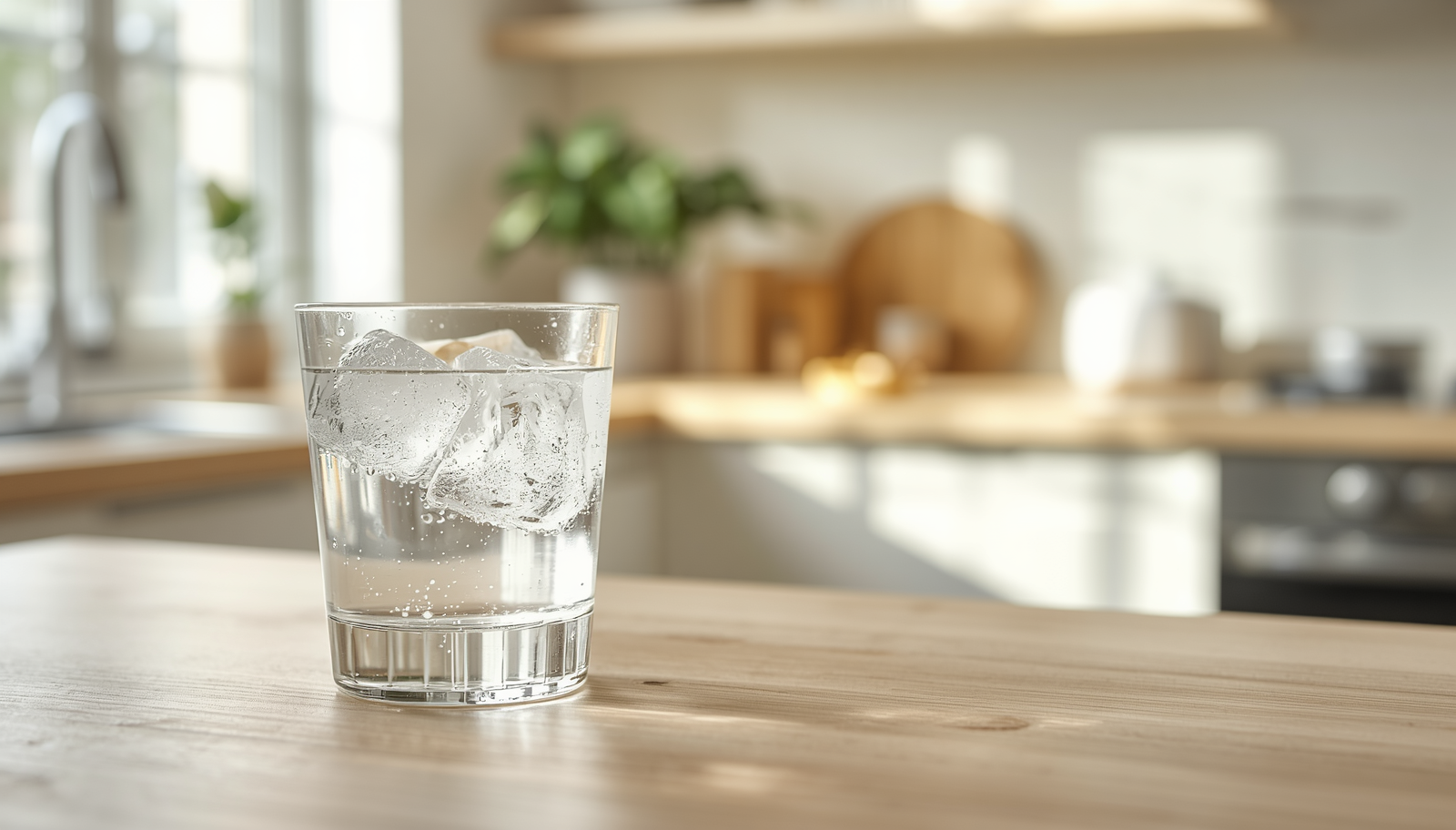
The Bloating Problem Nobody Connects to Cold Water
Does cold water make you bloated? The answer might surprise you.
Picture a typical afternoon: someone finishes a heavy lunch, pasta with creamy sauce or a burger with fries. Their throat is dry, so they grab ice-cold water and gulp it down. Twenty minutes later, they feel like they’ve swallowed a balloon. The bloating is uncomfortable, the stomach distended, and focusing on anything becomes difficult.
This scenario plays out thousands of times every day. Here’s why: cold water literally slows down digestion. The stomach operates at 98.6°F. When ice-cold water hits the digestive system, the body has to divert energy to warm that water up instead of focusing on breaking down food. Meanwhile, if fatty foods have been consumed, cold water causes those fats to solidify, making them even harder to digest.
This explains why so many people feel uncomfortably full hours after eating.
The Migraine That Came Out of Nowhere
Sarah is a health-conscious professional who swears by ice water. She drinks it constantly, until one day, she didn’t. She’d been getting these brutal migraines for months and couldn’t figure out the trigger. Her doctor asked her to keep a food diary, and guess what showed up?
Headache from drinking cold water, every single time.
Research shows that people prone to migraines are twice as likely to get headaches after drinking ice-cold water. The rapid cooling effect hits the palate and throat, causing blood vessels in the brain to constrict and then dilate rapidly.
Sarah switched to room-temperature water, and her migraines dropped by 70%. She couldn’t believe something so simple had been sabotaging her for years.
Franklin’s Story Will Shock You
Franklin Aribeana was just 18 when he first noticed something terrifying. After a workout, he’d take a sip of cold water, and his heart would start pounding so violently, he could see it through his shirt. Then he’d pass out.
This happened for 17 years. Twenty-five hospital visits. Countless tests.
Finally, doctors discovered the culprit: the cold water was irritating his vagus nerve, the critical connection between his brain and heart. Every time that icy water hit the back of his throat, it triggered dangerous irregular heartbeats.
Is cold water bad for you? For Franklin, it was nearly fatal.
The Problems Nobody Talks About
Worsens Cold and Flu Symptoms
When you’re sick with a cold or flu, cold water actually thickens your mucus, making it stickier and harder to clear from your respiratory system. That’s why your grandmother always insisted on hot tea, warm liquids help thin mucus while cold drinks do the opposite.
Triggers Tooth Sensitivity Pain
If you have sensitive teeth, drinking cold water can create a whole different problem. Those sharp, shooting pains every time you take a sip can become so severe that you start avoiding water altogether, leading to dehydration without even realizing it.
Aggravates Digestive Disorders
For people with digestive conditions like IBS or achalasia, does cold water cause bloating? Absolutely. The temperature shock triggers cramping, abdominal pain, and even difficulty swallowing, intensifying symptoms that are already hard to manage.
What Works Better: The Simple Switch
After understanding these effects, many people make one simple change: stopping cold water consumption around mealtimes.
The results speak for themselves:
- Room-temperature water on desks instead of ice-cold bottles
- Skipping ice at restaurants
- Starting the day with warm water and lemon before anything else
The difference is often dramatic: no more bloating, no more afternoon energy crashes, no more needing to loosen clothing after lunch. Digestion finally works the way it’s supposed to.
Warm water vs cold water for many people, it’s no longer a competition.
Here’s The Rule of Thumb
- After meals: Always room temperature or warm
- During workouts: Cool water is fine
- When you’re sick: Warm water with lemon
- Hot summer days: Room temperature hydrates better
Is drinking ice cold water bad for you? Not always, but timing matters enormously.
The Bottom Line
Traditional practices weren’t superstitious. Ancient Ayurvedic and Chinese medicine practitioners understood something modern science is only now rediscovering: the body isn’t designed to handle extreme temperatures during digestion.
So next time you reach for that ice-cold glass after a big meal, think about Franklin’s pounding heart, Sarah’s migraines, and the countless people experiencing afternoon bloating.
Choose comfort over habit, your body knows the difference.