
Every January, millions of people set the same goal: lose weight this year. By February, most have already given up. The problem isn’t lack of willpower—it’s trying to follow unsustainable plans that promise quick fixes but deliver temporary results. If you’ve ever wondered why some people successfully maintain their weight loss while others constantly yo-yo, the answer lies in one word: sustainability.
Healthy weight loss isn’t about punishing yourself with extreme diets or spending hours at the gym. It’s about creating a lifestyle you can actually maintain for years to come.
Understanding Healthy Weight Loss
Before diving into specific strategies, it’s important to understand what constitutes realistic, sustainable weight loss. Health experts consistently recommend aiming for 1-2 pounds of weight loss per week. This gradual approach allows your body to adjust naturally while minimizing muscle loss and metabolic slowdown.
The foundation of any effective weight loss plan rests on a simple principle: consuming fewer calories than your body burns creates a caloric deficit, leading to weight loss. However, the quality of those calories matters just as much as the quantity. Eating 1,500 calories of processed foods produces vastly different results than eating 1,500 calories of whole, nutrient-dense foods.
Key Principles of Sustainable Weight Loss
Balanced Nutrition: The Foundation
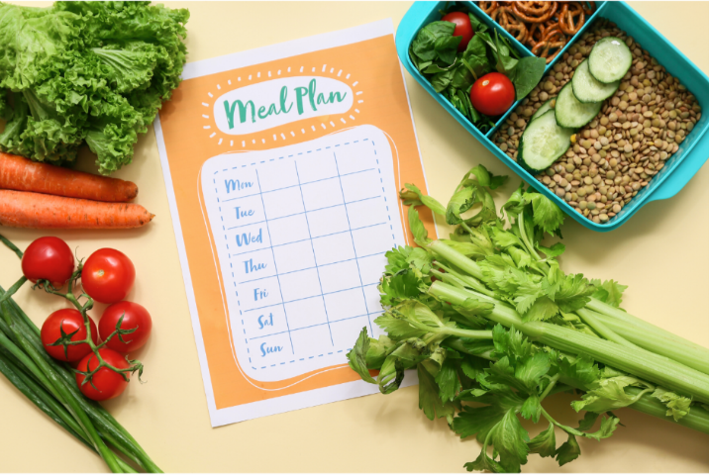
Balanced diet to lose weight doesn’t mean eliminating entire food groups or surviving on salads alone. Instead, it emphasizes whole, minimally processed foods that nourish your body while keeping you satisfied.
A truly balanced approach includes lean proteins like chicken, fish, and legumes that preserve muscle mass during weight loss. Whole grains provide sustained energy without blood sugar spikes. Colorful vegetables and fruits deliver fiber, vitamins, and antioxidants. Healthy fats from sources like olive oil, avocados, and nuts support hormone production and help you feel full longer.
Think of your plate as divided into sections: fill half with vegetables, one quarter with lean protein, and one quarter with whole grains. This simple visual guide makes healthy eating dietto lose weight feel less restrictive and more approachable.
Portion Control Without Deprivation
Learning to recognize appropriate portion sizes transforms your relationship with food. Using smaller plates tricks your brain into feeling satisfied with less food. Eating slowly gives your body time to register fullness before you overeat. Pay attention to hunger and fullness cues rather than eating by the clock or finishing everything on your plate out of habit.
Effective Weight Loss Plans That Work
Mediterranean Diet for Weight Loss
The mediterranean diet and weight loss connection has been extensively researched, with consistently positive results. This eating pattern emphasizes plant-based foods, healthy fats from olive oil and fish, moderate amounts of poultry and dairy, and limited red meat.
What makes the Mediterranean approach particularly sustainable is its flexibility and flavor. You’re not counting every calorie or measuring every portion. Instead, you’re focusing on quality ingredients prepared simply—grilled fish with roasted vegetables, whole grain pasta with tomatoes and herbs, fresh fruit for dessert.
Research shows people following this pattern not only lose weight but also reduce their risk of heart disease, diabetes, and cognitive decline.
Intermittent Fasting: A Different Approach
Intermittent fasting weight loss has gained significant attention in recent years. This eating pattern alternates between periods of eating and fasting, typically restricting food intake to an 8-hour window each day.
The benefits of intermediate fasting extend beyond simple calorie reduction. During fasting periods, insulin levels drop, encouraging your body to burn stored fat for energy. Many people find this approach simplifies decision-making around food—there are fewer meals to plan and prepare.
However, intermittent fasting isn’t for everyone. People with diabetes, heart conditions, or histories of disordered eating should consult healthcare providers before trying this method.
Plant-Based Eating
Embracing more plant-based meals doesn’t require becoming vegetarian overnight. Simply increasing your intake of fruits, vegetables, whole grains, legumes, nuts, and seeds naturally reduces calorie density while maximizing nutrition.
Plant-based foods are typically high in fiber and low in saturated fat, making them ideal for healthy protein diet for weight loss when combined with lean protein sources.
Low-Carb Approaches
Low carb diet weight loss works for many people, particularly in the initial stages. By restricting carbohydrates, these plans force your body to burn fat for fuel.
The challenge with very low carbohydrate diet for weight loss plans lies in their long-term sustainability. A moderate approach—focusing on complex carbohydrates from whole grains while limiting refined sugars and processed foods—often proves more maintainable.
Practical Strategies for Long-Term Success
Make Movement Enjoyable
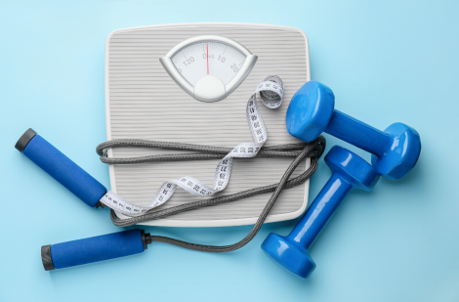
Regular physical activity accelerates sustainable weight loss while improving overall health. Find activities you genuinely enjoy—dancing, hiking, swimming, cycling, playing sports, or even energetic gardening.
Aim for at least 150 minutes of moderate activity weekly, combined with strength training twice a week. Building muscle through resistance exercise boosts metabolism and helps maintain weight loss long-term.
Prioritize Sleep and Stress Management
Healthy eating and weight loss efforts can be completely undermined by poor sleep and chronic stress. When you’re sleep-deprived, hunger hormones like ghrelin increase while fullness hormones like leptin decrease. This hormonal imbalance makes resisting high-calorie foods nearly impossible.
Aim for 7-9 hours of quality sleep nightly. Establish a consistent bedtime routine, limit screen time before bed, and create a cool, dark sleeping environment.
Similarly, chronic stress triggers cortisol production, which encourages fat storage, particularly around the midsection. Practice stress-reduction techniques like deep breathing, meditation, yoga, or engaging in hobbies you enjoy.
Stay Hydrated
Drinking adequate water throughout the day supports sustainable weight loss tips in multiple ways. Water helps control appetite—many people mistake thirst for hunger. It supports metabolism and helps your body efficiently burn calories.
Replace sugary beverages with water, herbal tea, or sparkling water with lemon. This simple swap eliminates hundreds of empty calories daily.
Track Progress Beyond the Scale
While the scale provides one measure of progress, it doesn’t tell the complete story. Track how your clothes fit, your energy levels, improvements in strength or endurance, sleep quality, and overall mood.
Taking monthly progress photos from multiple angles often reveals changes the scale doesn’t reflect. Muscle weighs more than fat, so you might be transforming your body composition even when the number stays relatively stable.
Creating Your Personalized Plan
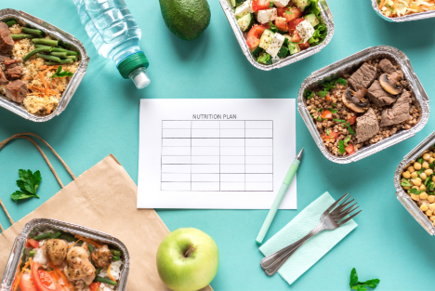
The most effective weight loss approach is one tailored to your individual preferences, schedule, and lifestyle. Consider what has and hasn’t worked for you in the past.
Start small rather than overhauling your entire life overnight. Maybe begin by adding one serving of vegetables to dinner each night. Or commit to a 15-minute walk three times weekly. These modest changes build confidence and momentum for bigger transformations.
Final Thoughts
Sustainable weight loss isn’t about finding the “perfect” diet or exercise program. It’s about discovering healthy habits you can maintain indefinitely. The best healthy meal plans for weight loss are those that fit your life, not those that force you to completely reshape your life around food.
Approach weight loss as a long-term journey toward better health rather than a short-term race to a number on the scale. With patience, consistency, and self-compassion, you’ll not only reach your weight loss goals but maintain them for life.
Focus on progress, not perfection. Every healthy choice matters, even if some days don’t go exactly as planned. Your healthier future starts with the next decision you make.